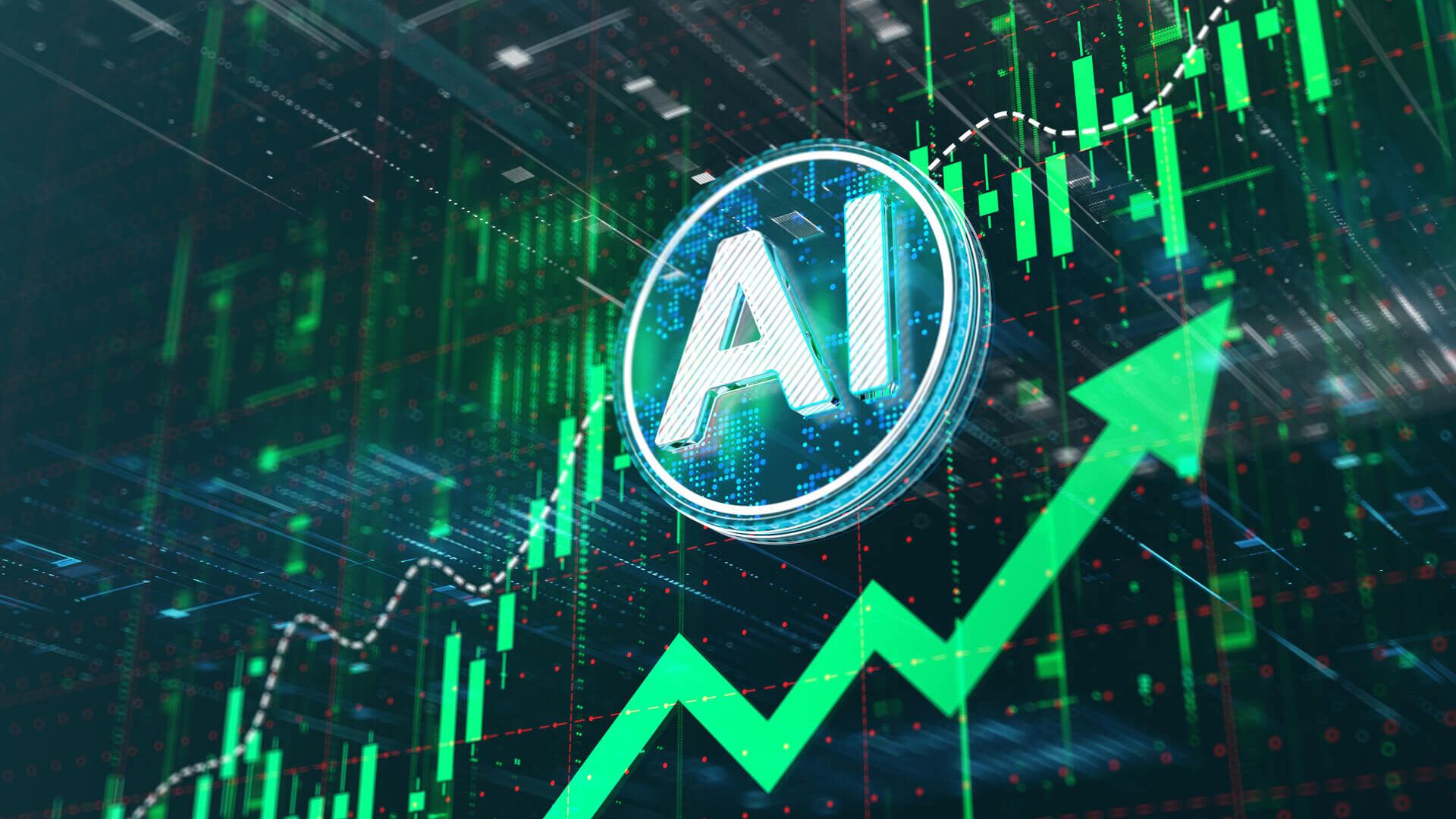
Two topics sit at the heart of this episode of the Accountancy Insights Podcast from The Institute of Chartered Accountants in England and Wales: the growing role of artificial intelligence agents in audit work, and an emerging regulatory blind spot in so-called prediction markets.
Richard Harrison, UK Digital Assurance Leader at EY, opens the conversation by walking through how his firm is actively deploying AI agents to support audit processes. The discussion is practical and candid. Harrison addresses how responsibilities are divided between human professionals and automated systems, and how firms can build meaningful risk frameworks around technologies that are still evolving. For Chartered Accountants working in audit, assurance or advisory roles anywhere in the world, the questions he raises are increasingly impossible to ignore. How much can automation reliably own? Where does professional judgment remain non-negotiable? And what governance structures need to exist before AI agents can be trusted at scale?
These are not abstract concerns. Audit firms across multiple continents are weighing the same trade-offs, and the answers will shape how assurance work is structured, staffed and delivered for years to come. Regulators, standard-setters and professional bodies are watching closely, and the profession would benefit from open, evidence-based debate of exactly the kind this conversation models.
The second segment shifts to a topic many finance professionals may not yet have encountered: prediction markets. Polly Tsang, ICAEW’s Senior Financial Services Regulatory Manager, explains how these platforms allow participants to trade on the outcome of real-world events, from election results to corporate announcements. The appeal is clear. They can aggregate distributed information efficiently and offer a form of probabilistic forecasting that traditional markets struggle to replicate.
The risk, however, is sharply defined. Because prediction market prices move on information about future events, anyone with privileged access to that information can exploit it in ways that existing insider trading frameworks were never designed to catch. Tsang points to real cases, including a Google employee charged with using internal data to generate over one million dollars in gains, as evidence that this is no longer a theoretical threat.
For Chartered Accountants, the implications extend well beyond compliance teams in financial services. Finance professionals who work on mergers, earnings releases, regulatory filings or other market-sensitive matters could find themselves navigating prediction market rules even if they never trade on such a platform directly. The question of what constitutes material non-public information, and when its use becomes improper, is one that the profession has long grappled with in conventional securities contexts. Prediction markets add a new and poorly regulated layer to that conversation.
From a global perspective, the regulatory patchwork here is concerning. While some jurisdictions have moved to restrict or ban certain prediction market activity, others have not. That creates arbitrage opportunities and enforcement gaps that will require coordinated international attention. Professional bodies, including those connected through Chartered Accountants Worldwide, have a role to play in helping members understand where obligations lie, even when local rules have yet to catch up.
Taken together, the two conversations in this episode point to the same underlying dynamic: technology is consistently outrunning the regulatory and ethical frameworks designed to contain it. For the global Chartered Accountancy profession, staying ahead of that gap is both a professional responsibility and a mark of the leadership the public rightly expects.